By Ryan Gowdy
Your home's foundation is the one structural element that everything else depends on. In Los Altos, CA, where properties regularly trade well above $4 million, protecting that foundation is not just a maintenance task — it's one of the most important things you can do to preserve long-term value. I work with buyers and sellers throughout this market every day, and foundation condition is one of the first things I look at when evaluating a home. The good news is that most foundation problems are preventable with consistent, straightforward maintenance.
Key Takeaways
- Water management is the single most important factor in foundation health
- Los Altos's mix of older ranch homes and newer builds means foundation types vary — knowing yours matters
- Seasonal changes in the Bay Area create specific stresses on foundations that local homeowners should plan around
- Catching small issues early is far less costly than addressing structural damage later
Understand What Type of Foundation You Have
Before you can maintain your foundation, you need to know what you're working with. Los Altos has a substantial inventory of mid-century ranch homes built in the 1950s and 1960s, many of which sit on either slab or raised foundations. Newer builds and extensively renovated properties may have more modern concrete systems. Each type behaves differently and requires slightly different attention.
Slab foundations are poured directly onto the ground and are vulnerable to movement when the soil beneath them shifts due to moisture changes. Raised foundations — common in older Los Altos neighborhoods — create a crawl space beneath the home that allows for easier inspection and access, but also requires attention to moisture, ventilation, and pest intrusion.
Foundation Types Found in Los Altos Homes
- Concrete slab — sits directly on the ground, sensitive to soil expansion and contraction from moisture fluctuation
- Raised or pier-and-beam — creates a crawl space that requires regular inspection for moisture, mold, and pests
- Modern poured concrete — typically found in newer construction and gut-renovated properties throughout North Los Altos and Loyola Corners
- Mixed systems — some expanded or remodeled homes may combine foundation types across original and added square footage
Control Water and Drainage Around Your Home
Water is the primary cause of foundation damage, and managing it well is the most impactful maintenance habit a homeowner can develop. In the Bay Area, winter rains bring significant moisture, while dry summers can cause the clay-rich soil common in parts of Santa Clara County to contract and pull away from the foundation. Both extremes stress the structure beneath your home.
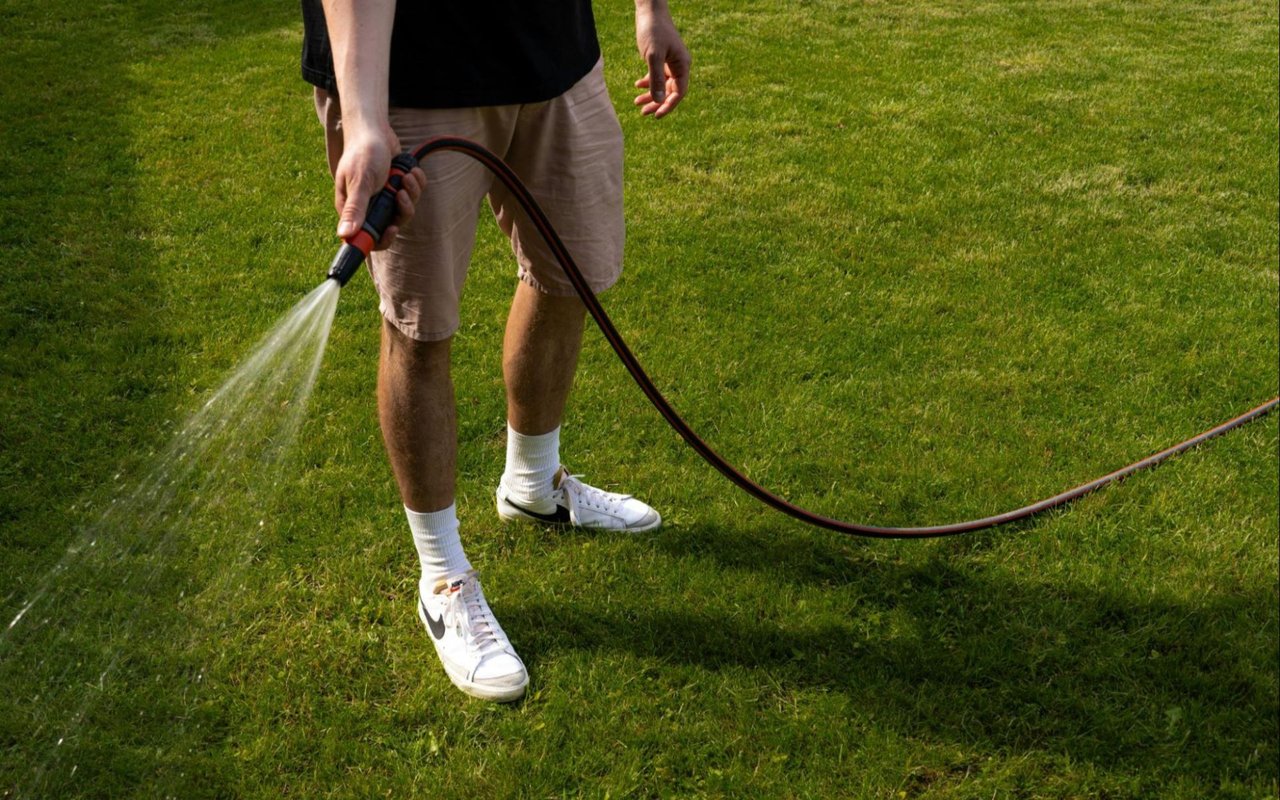
The goal is consistent soil moisture — not saturated, not cracked and dry. During wet months, make sure water is moving away from the home efficiently. During dry stretches, a soaker hose along the perimeter can prevent the soil from shrinking too dramatically.
Drainage Steps Every Los Altos Homeowner Should Take
- Clean gutters at least twice a year — clogged gutters cause water to overflow and pool directly against the foundation
- Make sure downspouts extend at least five to ten feet from the house and discharge into the yard, not toward the structure
- Grade the soil around your home so it slopes away from the foundation — aim for a six-inch drop over the first ten feet
- Check for standing water after heavy rains, particularly on the north and west sides of the property where drainage can lag
Keep an Eye on the Soil and Landscaping
What grows around your home has a real effect on what happens beneath it. Large trees, in particular, draw enormous amounts of moisture from the surrounding soil — a mature tree can pull 150 gallons or more per day during hot weather. That kind of draw can dry out the soil unevenly, which is exactly the condition that causes foundation movement and cracking.
In a neighborhood like Los Altos, where mature oaks and other large trees are part of the character of so many properties, being mindful of root systems and soil moisture near the foundation is especially important.
Landscaping Considerations That Protect Your Foundation
- Plant large trees at least 15 feet from the foundation — root systems extend far beyond what's visible above ground
- Install root barriers if you have mature trees already within that range, using metal, plastic, or rubber barriers set at least three feet deep
- Keep garden beds and planting borders sloped away from the house — raised beds that hold moisture against the foundation wall cause problems over time
- Avoid overwatering lawn areas immediately adjacent to the structure, especially during summer months
Inspect Regularly and Know the Warning Signs
The most effective thing a homeowner can do is look at their foundation regularly and know what early warning signs mean. Most foundation problems give you notice before they become serious — the key is recognizing those signals and acting on them promptly rather than waiting to see if they worsen.
A professional foundation inspection every few years is worth the investment, particularly for homes in older Los Altos neighborhoods where the structure may have been modified or expanded over decades. Inspections can catch developing issues in crawl spaces, around plumbing penetrations, and in areas that aren't visible during a typical walkthrough.
Warning Signs That Warrant a Closer Look
- Cracks in drywall, particularly diagonal cracks near door and window frames — these often indicate foundation movement
- Doors or windows that stick or no longer sit square in their frames
- Visible gaps between the foundation and the exterior siding, or between flooring and baseboards inside the home
- Moisture, mold, or standing water in a crawl space after rain
Frequently Asked Questions
How often should I have my foundation professionally inspected?
For most Los Altos homes, a professional inspection every three to five years is a reasonable baseline. If your home is a mid-century build, has had additions or remodels over the years, or has mature trees close to the structure, inspecting more frequently makes sense. Any time you notice cracking, sticking doors, or moisture in a crawl space, get a professional opinion before the issue develops further.
Can I handle foundation maintenance myself, or do I need a contractor?
Most of the preventive work — cleaning gutters, managing drainage, monitoring soil moisture, and doing visual inspections — is within reach for any attentive homeowner. The repair work, including sealing significant cracks, addressing soil movement, or reinforcing a compromised structure, should always involve a licensed foundation specialist.
Does foundation condition affect my home's value in Los Altos?
Significantly. In this market, buyers are sophisticated and their inspectors are thorough. A well-maintained foundation supports a clean disclosure process and a smooth transaction. Deferred foundation maintenance, even when not structurally serious, can complicate a sale and affect the final price. Staying ahead of it protects both the home and your return when it comes time to sell.
Work with Ryan Gowdy
Whether you're preparing to sell, evaluating a home before an offer, or simply looking after a property you love, I'm here to help you think through what matters most. Reach out to me, Ryan Gowdy — as a lifelong resident of Los Altos and a second-generation realtor, I know this market and these homes inside and out.